Cause First
Technicians check fixtures, supply lines, pumps, tanks, and regulators to narrow down the cause before recommending a repair. That helps keep the work focused on the system part that needs attention.
A weak shower near the Barbour County Courthouse can point to a household supply problem, not just a tired showerhead. Our crew serves Clayton, including Wylaunee, and checks the cause before recommending a repair.
Drought can reduce the yield of a private well, leaving faucets and showers weaker when household demand rises. If your home uses a well, note whether the pressure changes after several fixtures run; that detail helps our team narrow the diagnosis. Freeze-thaw cycles can also stress outdoor plumbing connections, so exposed lines and hose bibs deserve a visual check after cold snaps.
We have served Clayton for more than 11 years. Our team checks pressure at fixtures and the supply system, then explains the repair options in plain language. A quick check helps.
We coordinate dispatch for the visit and will explain what access our crew needs before work begins.
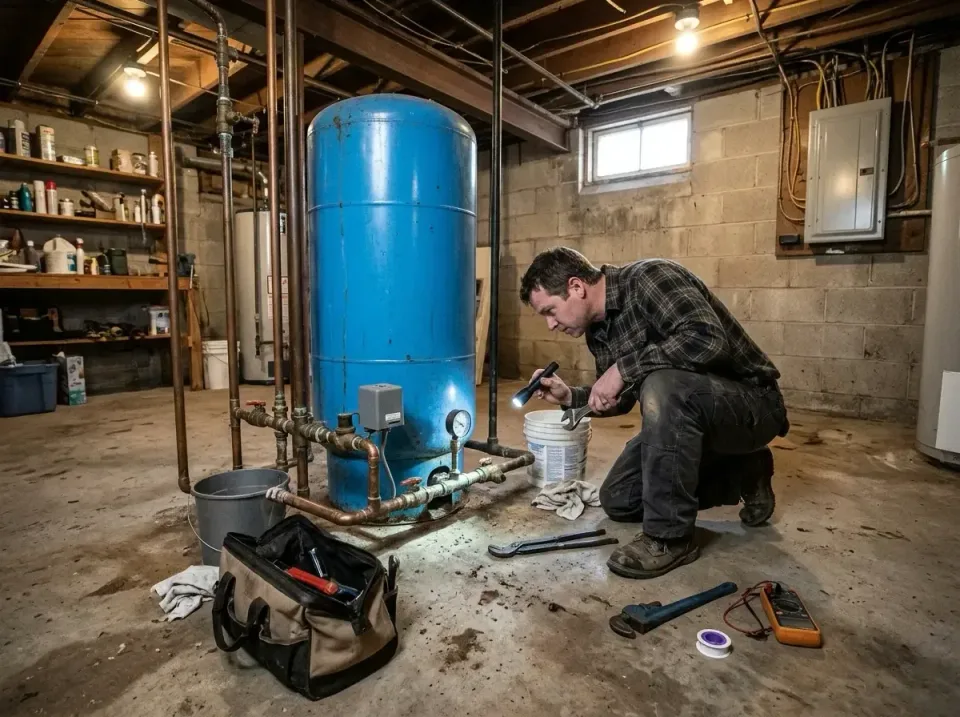
Near Clayton City Hall, low pressure can interrupt everyday water use, and humid subtropical weather brings long periods when households rely heavily on plumbing. Our crew checks the symptoms at more than one fixture before deciding where the restriction or loss may be.
We have served Clayton for 11+ years, and our team explains what we find before beginning agreed work. No guesswork. For the visit, tell us which fixtures are affected and whether the change began suddenly; that helps us prepare for the right checks and respect your schedule.
When a kitchen faucet barely trickles or pressure drops throughout a home, our first step is to compare affected fixtures and check the supply. In Clayton, heavy rainfall can raise groundwater around wells, so a private-well pressure change may need pump and system checks rather than a faucet repair alone.
We measure pressure with water off and during flow, then inspect accessible plumbing for restrictions or leaks. High humidity can speed corrosion on exposed plumbing; our crew looks for visible deterioration where pipes are accessible.
You can note whether one faucet or several are affected before we arrive. We serve Clayton addresses in ZIP code 36016.
For homes near the Clayton Public Library, our team schedules the visit, explains the likely source, and reviews repair options before work begins.
Summer heat can increase evaporation and outdoor irrigation demand, so a Clayton home may draw more water at the same time indoor fixtures are in use. If pressure falls mainly when several taps run, our crew checks how the supply responds under demand.
The Barbour County Courthouse is a familiar local reference, but the plumbing that matters is at the property: accessible pipes, the water source, and the pressure equipment. You can compare one faucet with another before the appointment. We use those observations to guide pressure diagnosis and explain whether a repair is needed.
For a home near Clayton High School, the right pressure repair starts with the water source: our team confirms whether the property uses public water or a well before troubleshooting pump equipment. That distinction changes which components we inspect.
IPC Section 604.8 calls for a pressure-reducing valve when supply pressure exceeds 80 psi. Our crew checks the measured pressure and valve condition before recommending adjustment or replacement.
The EPA Lead and Copper Rule applies to public water systems, not as a substitute for safe work inside a private home; customers should direct system-wide water-quality questions to the relevant utility. We explain the scope and any permit questions before starting, so customers know what work is planned.
Alabama Plumbing Pros traces pressure trouble and explains the repair options before work begins.
Technicians check fixtures, supply lines, pumps, tanks, and regulators to narrow down the cause before recommending a repair. That helps keep the work focused on the system part that needs attention.
The technician reviews the diagnosis and repair options with you before work begins. You can ask questions and understand the proposed scope before deciding how to proceed.
The team has 11 years in business and experience with older homes and rural well systems across Alabama. Appointments are coordinated from Montgomery, with travel time considered for Clayton.
The technician tests the system, explains the findings, and carries out the agreed repair.
Discuss the Issue
You describe where pressure is low and when you notice it. The team uses those details to prepare for the visit and plan travel to your Clayton-area property.
Test Water Pressure
The technician tests pressure at an accessible hose bib, recording readings with fixtures closed and flowing. You get a clearer picture of how the system performs under different conditions.
Trace the Cause
The technician checks fixtures, supply lines, pumps, tanks, and regulators, and confirms the water source before pump troubleshooting. You hear what the inspection points to before repair work begins.
Pulsing flow is a sign that water delivery may not be steady. Pay attention to whether the change happens at several fixtures, which can help distinguish a system concern from a single fixture issue.
A pressure gauge that moves noticeably during ordinary water use can point to changing system conditions. If you can view it safely, note the pattern without adjusting equipment or electrical connections.
Spring is a useful time to check pressure before household water use changes with outdoor tasks. A technician can assess fixtures, supply lines, and system equipment, then explain whether any repair is appropriate.
Long, hot Alabama summers can bring more outdoor water use, making pressure concerns easier to notice. A system check can help identify whether the issue involves a fixture, household equipment, or a well supply.
Fall offers a chance to address pressure concerns before household routines shift. For homes on rural well systems, checking the pump and pressure equipment can help clarify how water is being delivered.
Winter is a good time to investigate pressure changes that affect everyday indoor water use. A technician can check accessible fixtures and system components, then review the findings and repair options with you.
Permit needs can depend on the work and local requirements. Ask the provider to explain whether the proposed repair calls for permits and who will confirm those requirements before work begins.
Appointments are coordinated from Montgomery, and travel time matters for rural communities. Ask how the provider plans the visit and communicates timing so you can prepare for access.
Clear access to fixtures and shutoff valves can help the technician inspect the system. Ask which areas need to be reachable, and whether floors or nearby belongings should be protected or moved.
Understand the proposed scope, any exclusions, and how approval is handled before repairs begin. Asking about written terms helps you know what work is planned and what changes would require further discussion.
Request a quote online or contact our Clayton, AL team directly by phone or email.
Check whether the change affects multiple fixtures, and note if it happens only while water is running. In Wylaunee, tell our crew whether the home uses a private well; drought can reduce well yield, and that detail helps focus the visit. Avoid adjusting pump controls yourself. Call (877) 773-0781 to schedule a pressure check.
That symptom means the shower flow changes when another fixture draws water. Our team checks pressure under flowing conditions and compares more than one fixture before identifying a cause. In Clayton, report whether the change affects the whole house or just that bathroom, then arrange a visit if the weak flow persists.
It can if an outdoor connection is stressed or a pipe is damaged. After cold weather, look for visible leaks around accessible hose bibs without dismantling fittings. Freeze-thaw stress can affect outdoor connections; our crew can inspect the accessible plumbing and explain the repair needed.